Cotoni curates, colours and brands cotton and technical textiles, made in Türkiye.
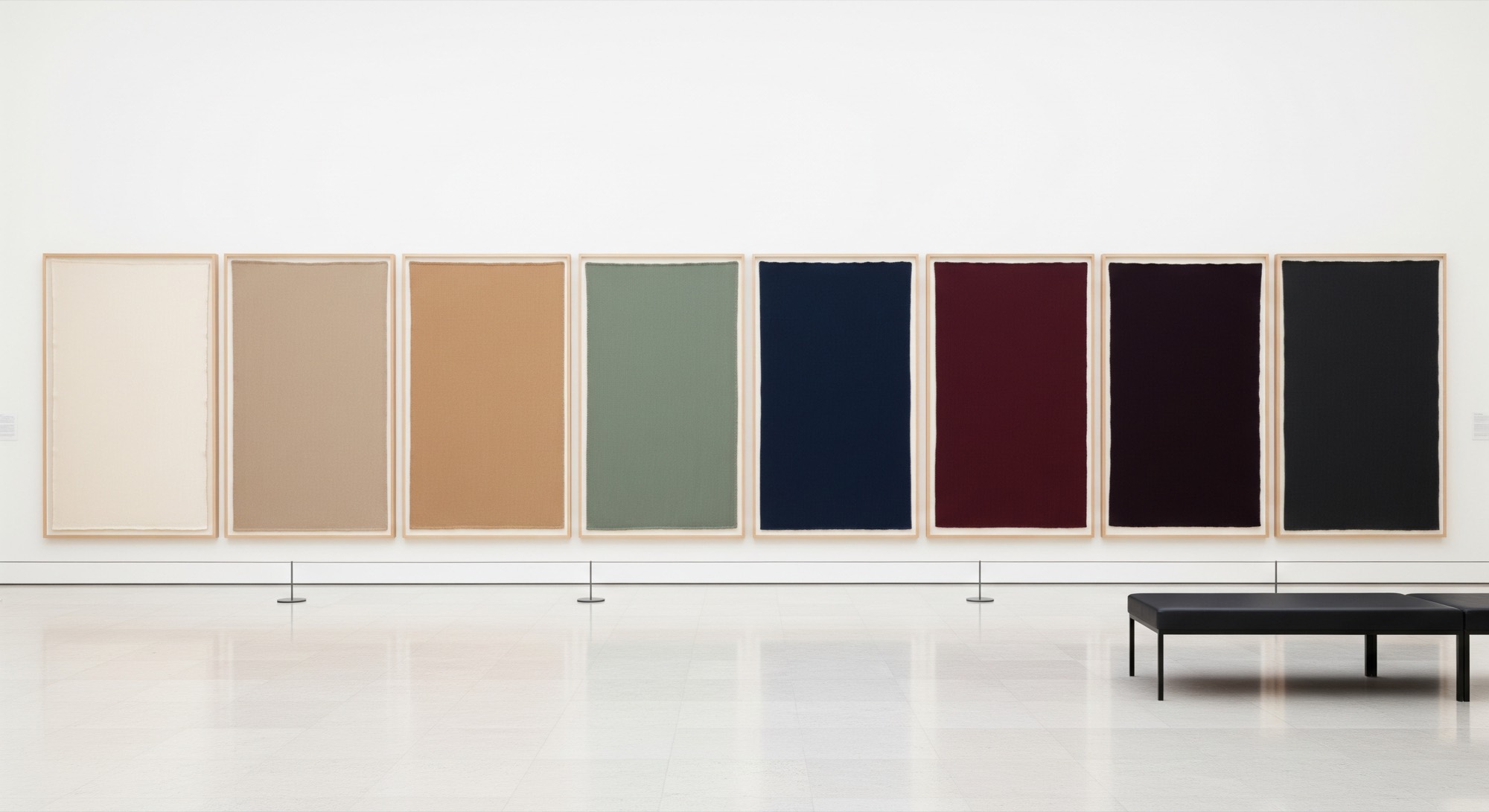
A material is easier to trust when it has a name.
Cotoni sets a standard of colour and specification, applies it across its divisions — Cotton, Intelligence and Interiors — and marks it on the finished cloth. The material stays the same across makers and seasons — so a brand can specify it, and a customer can recognise it.
We are not a mill. We are a curator: we choose the fibre, define the colour and finish, and put a name to it. The cloth itself is produced, at scale, in Türkiye.
One colour and specification family, shared across both fabrics.
Fifty-eight considered shades, anchored to Pantone TCX references and edited down from a much larger set. Each is coded to a physical reference and re-ordered without drift.
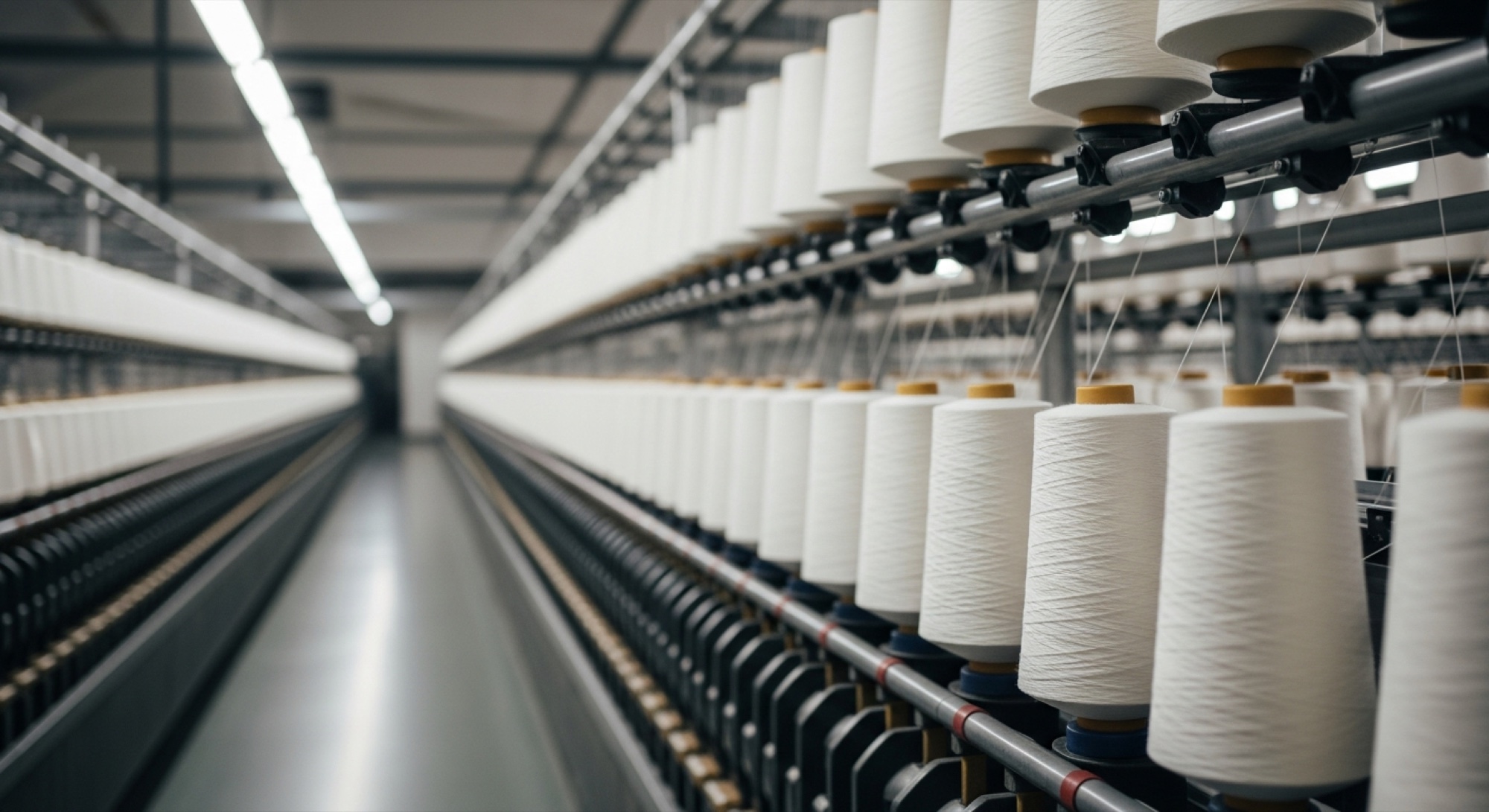
A curated standard, made real at the scale of industry.
Cotoni's fabrics are produced with a vertically-integrated Turkish manufacturer — spinning, weaving, dyeing and finishing under one roof. It is the capacity that lets a small, disciplined range be made consistently, and at volume.
Put a named material at the centre of your product.
Cotton
The everyday, considered — premium cotton in a colour family made to be specified.

Cotton is the material most brands touch every day, and the one most take for granted.
Cotoni builds its cotton family from premium, long-staple fibres — combed and compact-spun for a cleaner surface, a fuller hand and truer colour. The result wears and photographs like a considered choice rather than a commodity.
Every weight and colour is fixed to a reference and coded, so what a brand approves is what ships, season after season.
A cotton family, in colour.
Intelligence
Engineered cotton for protection and performance. The division signals the standard; each quality states its function.
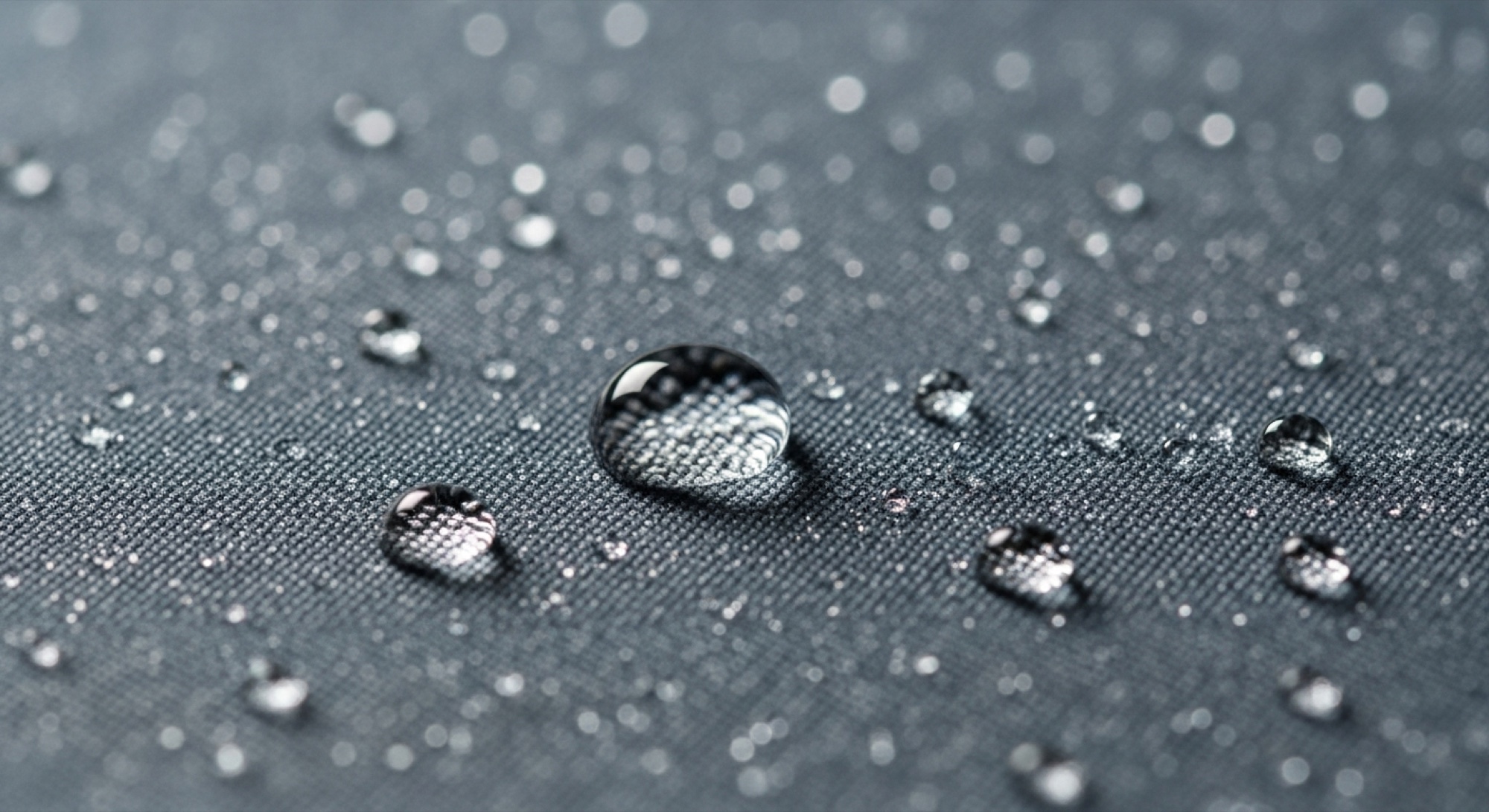
Where Cotton is about feel, Intelligence is about function.
Cotoni Intelligence is the engineered side of the house — cotton taught to repel water, resist flame and survive abrasion. It is developed with a leading vertically-integrated technical-textile producer, using performance fibres and finishes from established fibre partners.
Each fabric is specified to a defined performance profile and produced to recognised European standards for protective and high-visibility textiles — a documented result, not a promise.
Military & defence
Uniforms, load-bearing gear, vests and shelter systems — the end-uses our production base has woven for, for years.
Industry & energy
Protective workwear for foundries, utilities and heavy industry — flame, heat and static addressed as a specification, not an afterthought.
Oil, gas & petrochemical
Coveralls and site wear where flame resistance and charge control are conditions of entry, built to survive industrial laundering.
Outdoor & recreation
Weatherproof jackets, packs, tents and field equipment — natural-fibre comfort with engineered protection.
Emergency services
Station and service wear for demanding daily use, specified per programme to the standards each service requires.
Built, when the programme demands it, on the fibre the hardest gear trusts.
Cotoni's Intelligence fabrics are developed with a production base that is a licensed CORDURA® fabric producer — the platform behind much of the world's hardest-wearing military and outdoor equipment.
Ripstop and high-tenacity programmes can be specified on CORDURA® fibre, with the abrasion and tear performance the name stands for — in Cotoni colours, under the Cotoni standard.
CORDURA® is a trademark of its owner. Fabrics on the CORDURA® platform are produced under our partner mill's licence and specified per programme.
Specify an Intelligence quality.
Interiors
Contract textiles for furniture and space — the third division of the house, now in definition.

A chair is not a jacket. Its cloth lives by different rules.
Contract textiles are judged in abrasion cycles and contract flame safety, and read through a designer's palette rather than a season's. So Interiors will not borrow the apparel colour library — it will carry its own colour and standard line, curated with the same discipline and held to the same idea: fewer, better, named.
The first collection is being defined now, with our production base. What is listed below is the shape of the division — not yet an order book.
Upholstery
The heart of the division: seating cloth for sofas, chairs and contract furniture — dense, dimensionally stable, built for the arm of the chair, not the sleeve. Soft seating and task seating, specified separately.
Panel & Screen
Cloth for office panels, dividers and wrapped walls — flat, even-faced, colour-true at scale. The quiet surface a workplace is actually made of.
Acoustic
Textiles for acoustic panels and sound-absorbing surfaces — open enough to let sound through to the absorber, disciplined enough to look tailored doing it.
Curtain
Contract drapery for hospitality and workplace — fall, light behaviour and flame safety specified per project, in the Interiors colour line.
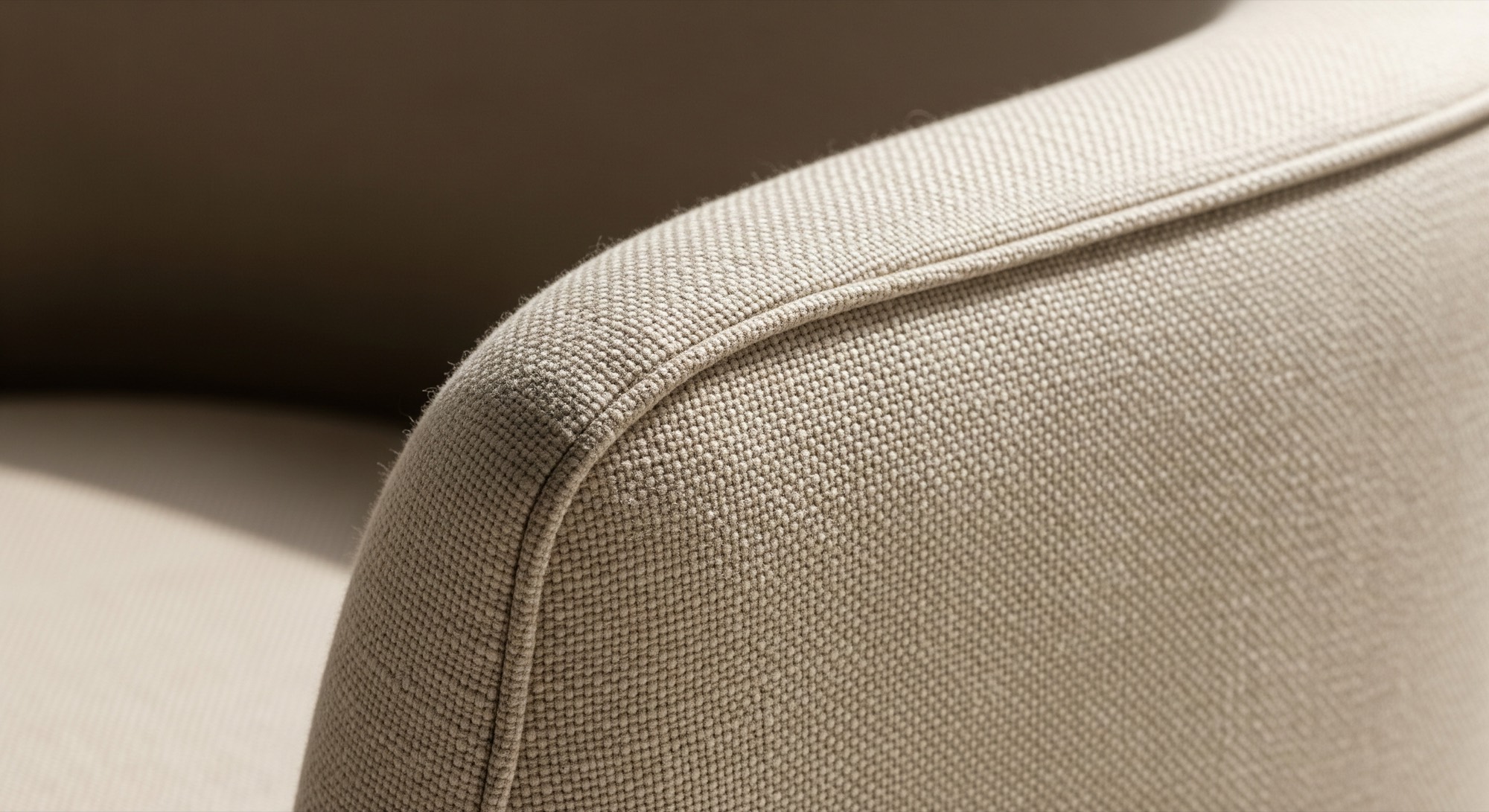
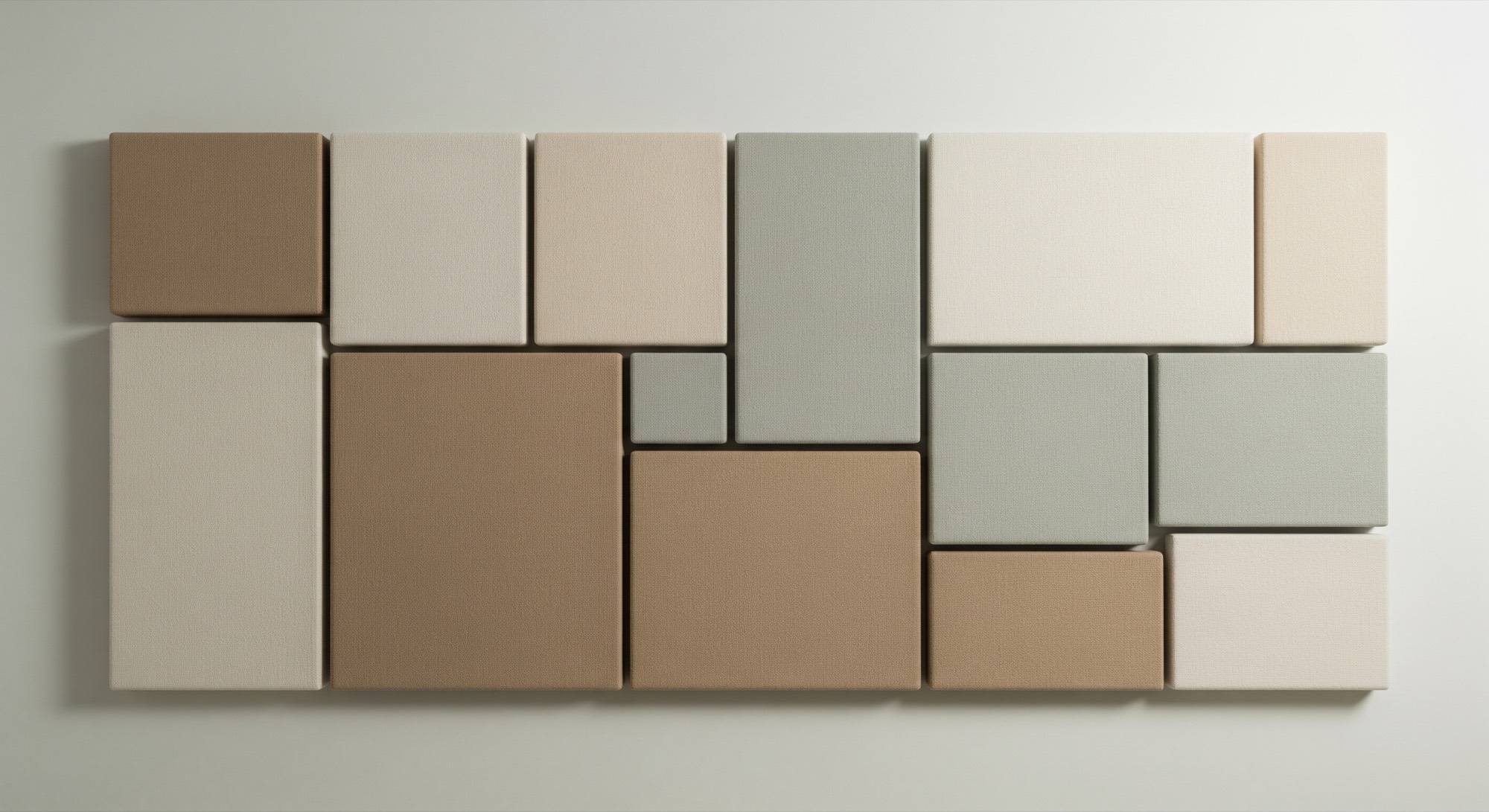

Between the wool house and the polyester catalogue, there is a gap.
Contract textiles today largely mean wool at the top and recycled polyester everywhere else. Cotoni Interiors takes a third position: natural-first — cotton- and hemp-rich cloth for furniture and space, with recycled and technical fibres blended in where the cycle count demands it.
It is the same house belief, moved indoors: the honest fibre, the disciplined colour, the named material.
Forward-looking: the Interiors division is in definition. Performance options reflect our production base's upholstery programme; standards and specifications will be confirmed per quality before the first collection is offered.
Be first to see the Interiors collection.
Colour &
finish
One colour library, one finishing library — the curator's discipline that makes Cotoni a material with a name.
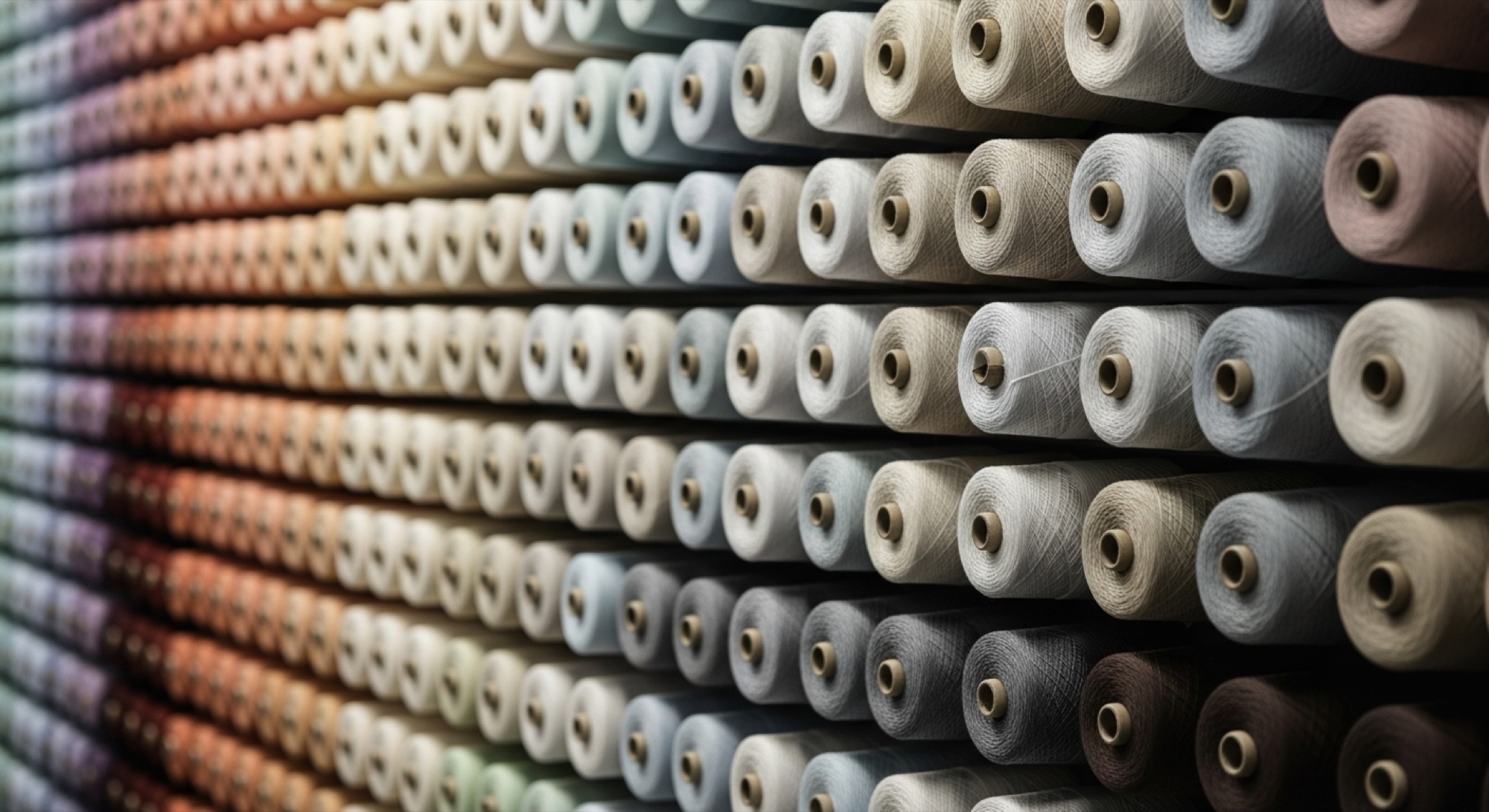
Anyone can sell cloth. Few curate it as colour.
We specify colour in the Pantone Textile (TCX) system — the cotton standard used by mills and designers worldwide. A shade approved on a card in one country is the shade woven in another, without drift. Every colour keeps its Pantone number, its name, and its Cotoni order code.
Colours shown are Pantone Textile (TCX) references. On-screen values are approximate sRGB and are confirmed against physical Pantone cotton cards before production. Pantone® is a trademark of Pantone LLC; references are used here to specify colour.
The same gabardine, the same Ocean Cavern — a cap, a coat, a bag, the cloth itself.
This is what specifying Cotoni means: one named material and one exact colour, recognisable across every product it becomes — from one maker to the next, from one season to the next.
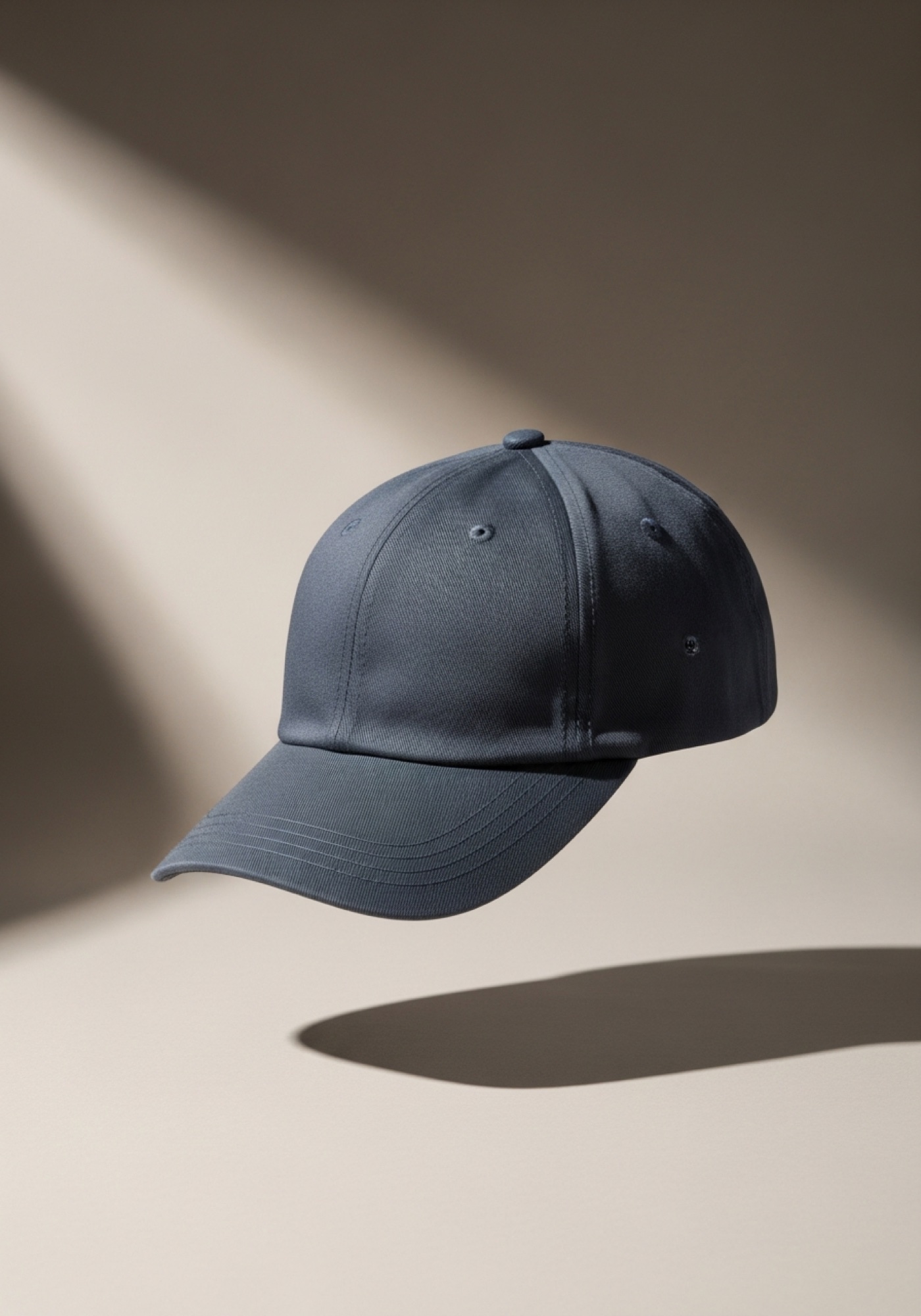
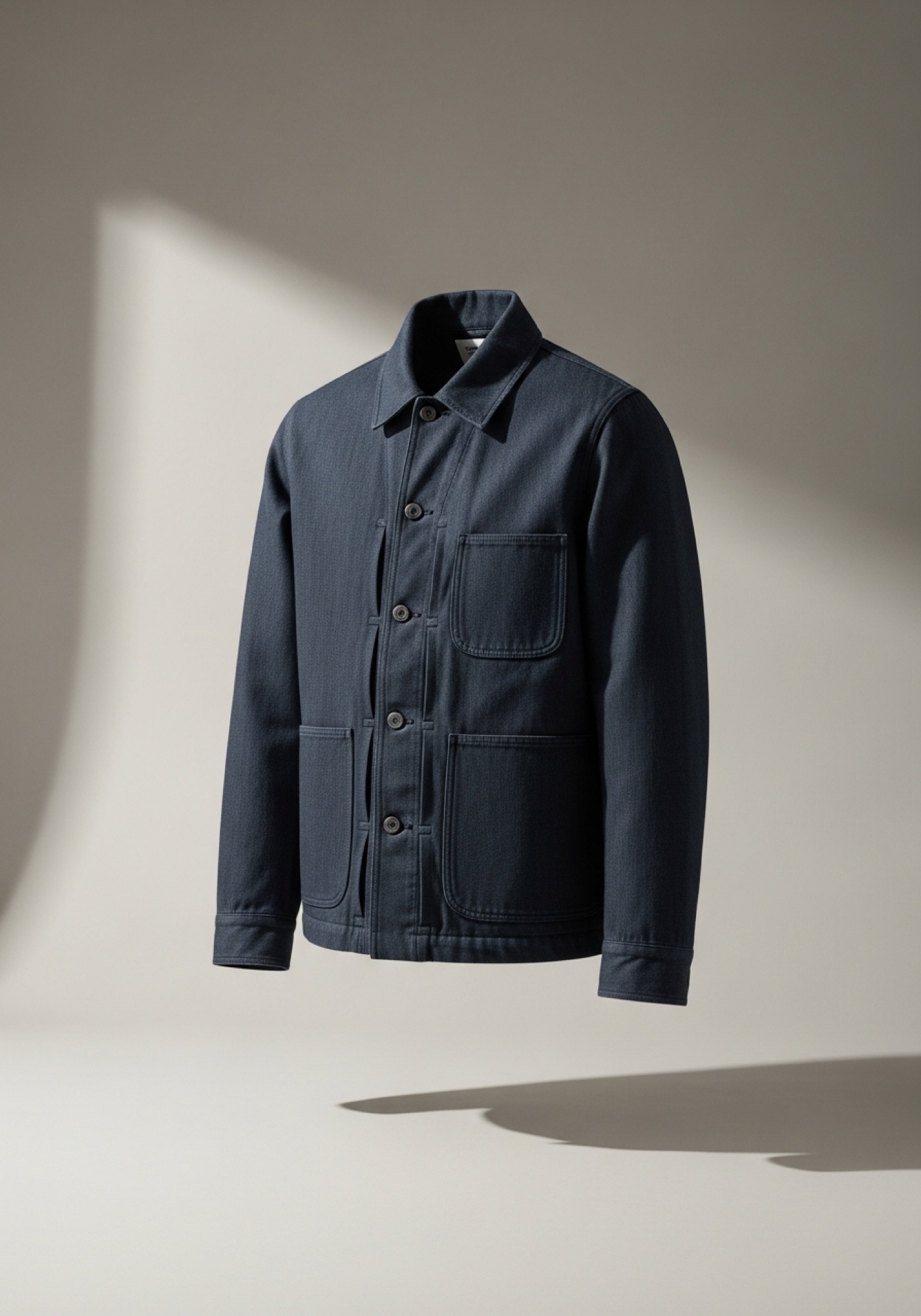
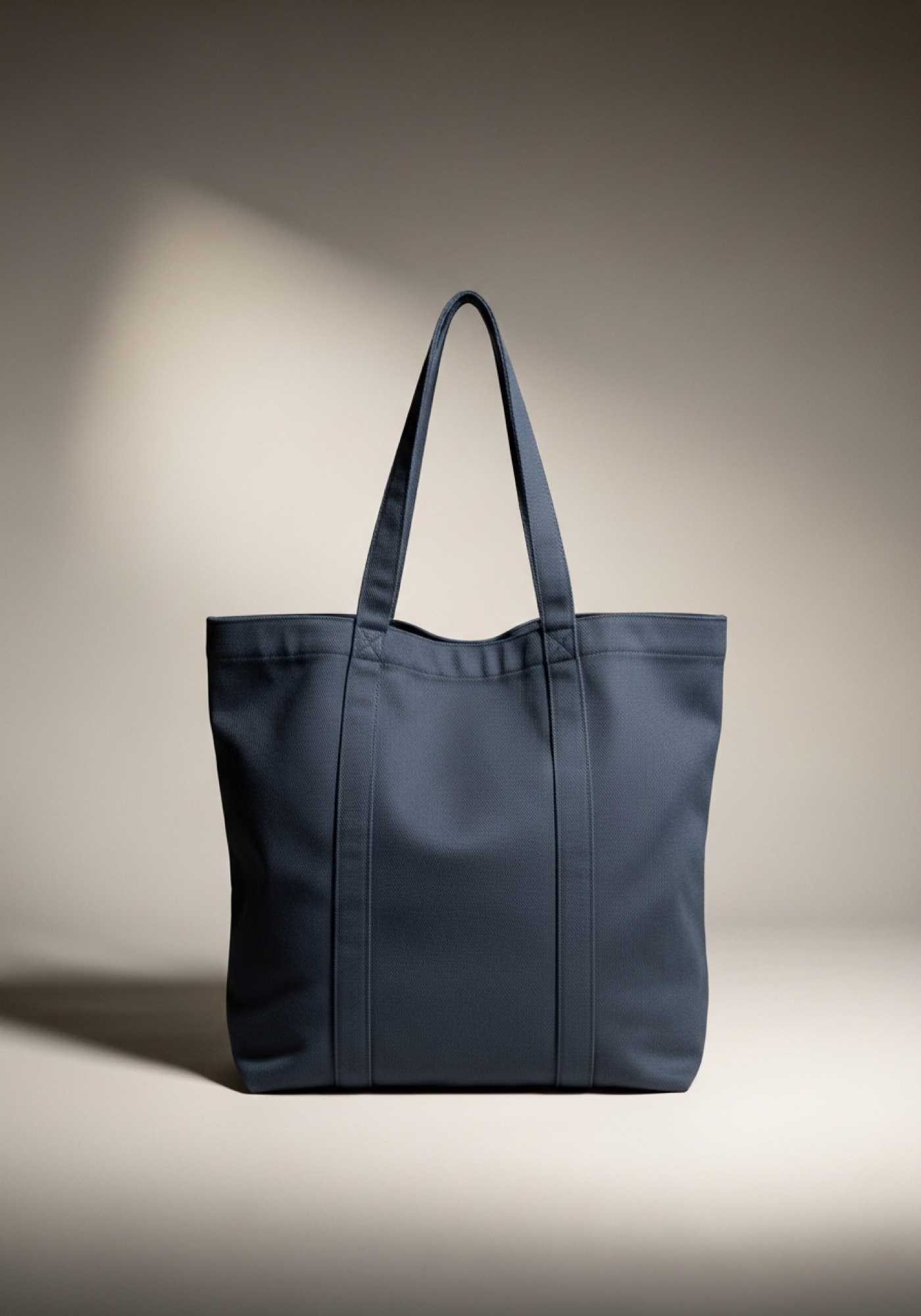

Concept visuals — Pantone 19-3937 Ocean Cavern on Cotoni gabardine twill.
Colour is half the standard. Finish is the other half.
The same woven cloth can leave the mill with a dozen different characters — crisp or soft, matte or waxed, everyday or protective. Cotoni specifies finish the way it specifies colour: named, coded and repeatable, applied in our integrated production base.
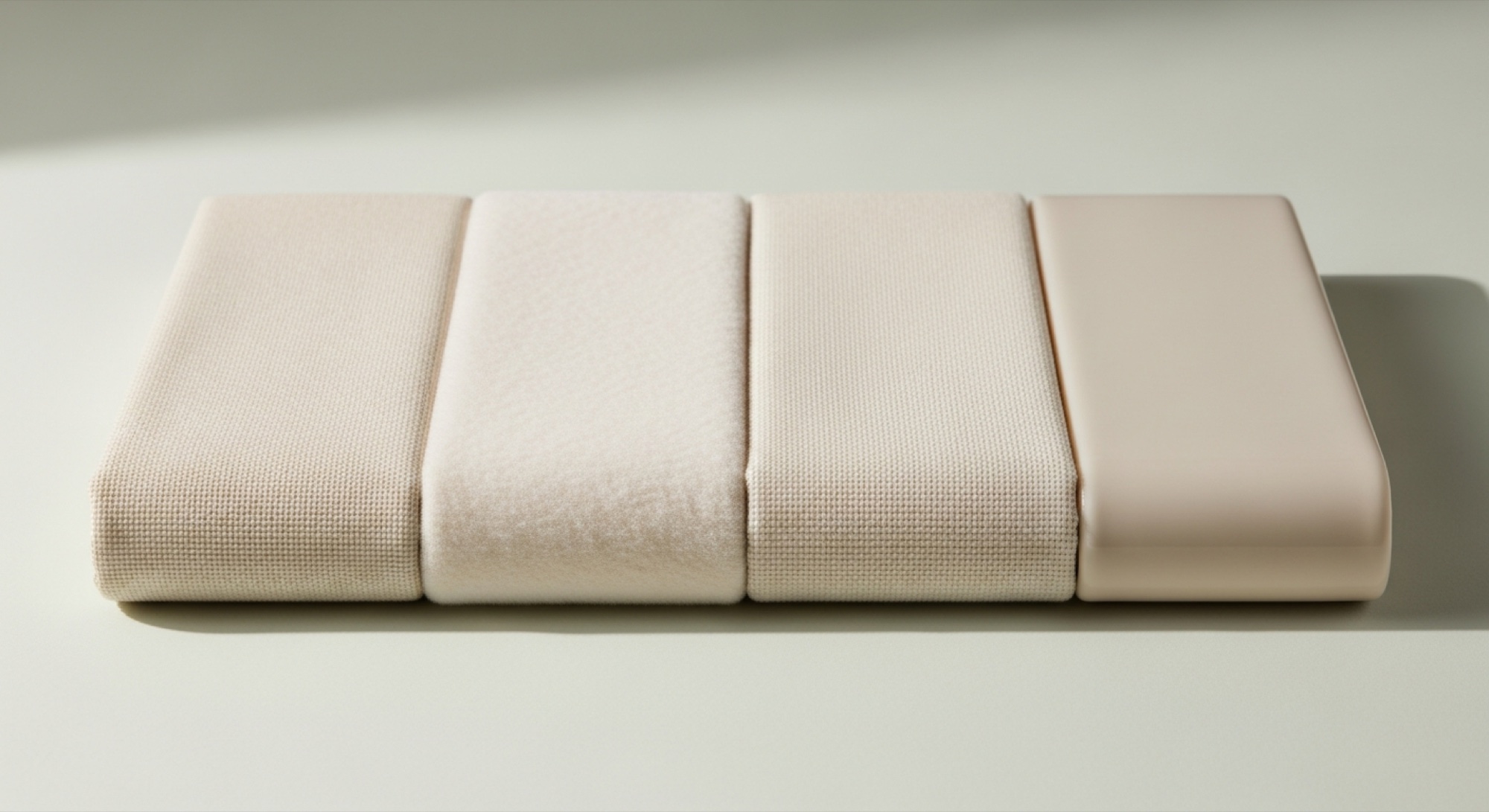
Finishes are applied per programme through our integrated production base and specified at order; performance finishes are produced to the relevant recognised standards.
Anchored
Every colour is a physical Pantone TCX reference — no drift between orders.
Coded
Colour, construction and finish resolve to one order code, e.g. COTONI · CANVAS · Ocean Cavern.
Traceable
A finished product traces back to its exact cloth, finish and dye lot.
See it on fabric.
Built in, not
bolted on.
Responsibility written into the specification — from the very first order.
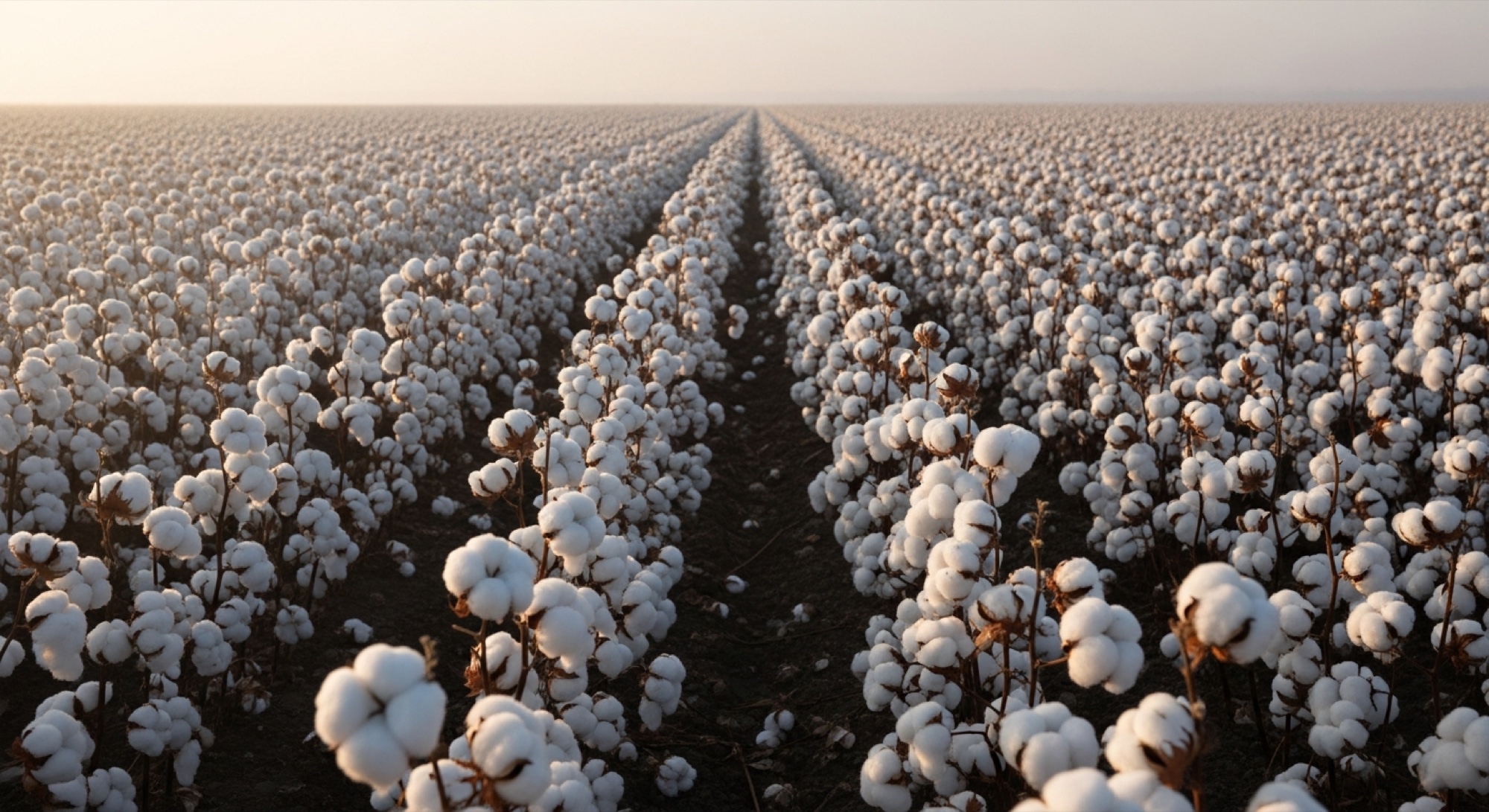
Most textile stories begin with decades of catching up. Ours begins clean.
Cotoni is new — and that is an advantage. Because we choose our own fibres and set our own standard, the responsible option can be the default, not a premium line. We would rather write sustainability into the specification than retrofit it later.
It is a direction, honestly held: fewer fabrics, better chosen, made in facilities built to keep improving.
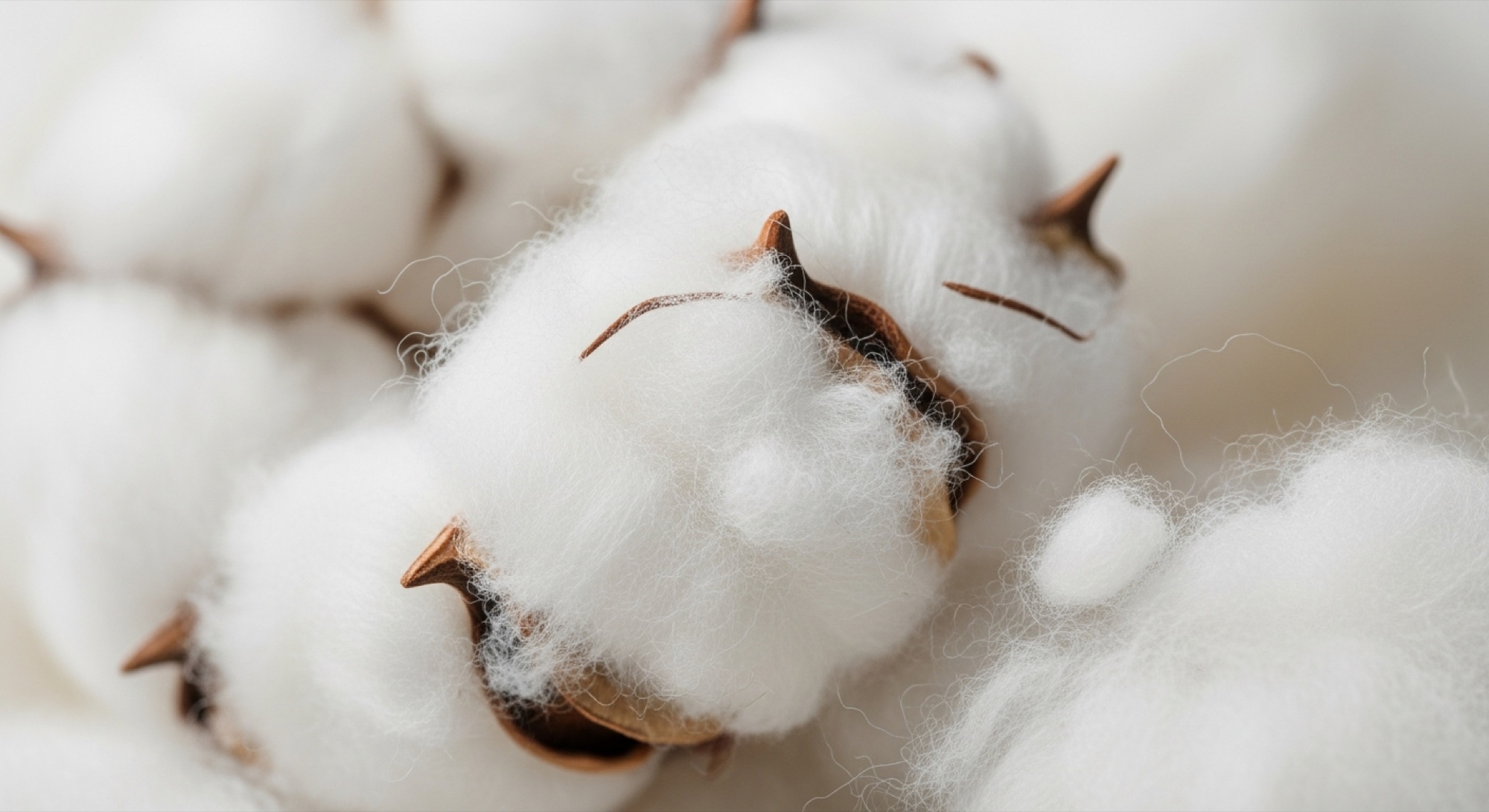
Better fibres, by default.
Organic, BCI and recycled cotton; next-generation cellulosics like TENCEL and EcoVero. In a small, curated range, the better fibre isn't an upgrade — it's where we start.
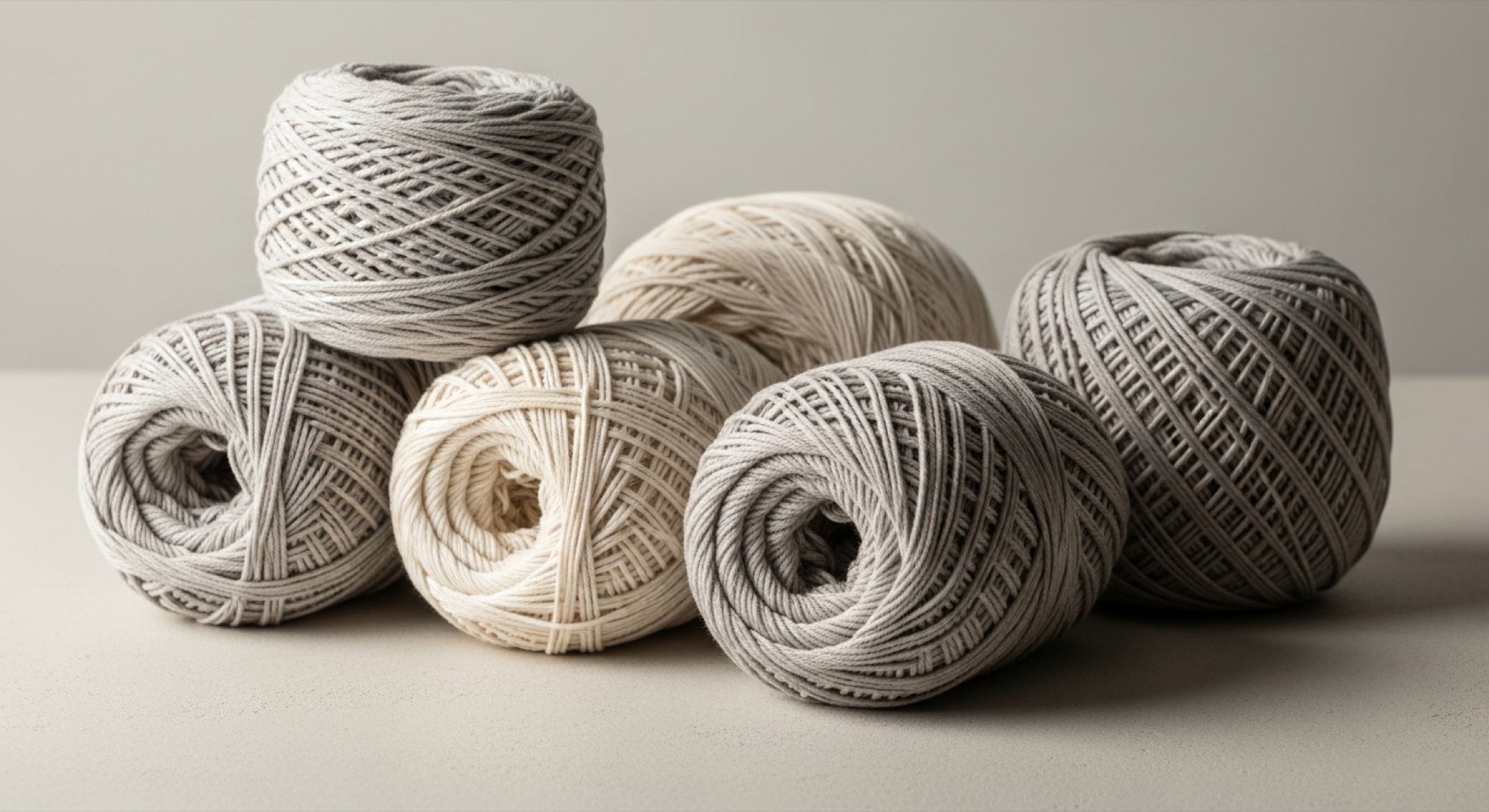
Made to last, made to return.
Recycled content and circular-fibre programmes, and cloth engineered for longevity. The most sustainable metre is the one that stays in use — so durability is written into the spec.

Cleaner by the metre.
Our fabrics are produced in integrated facilities that invest in water reuse, heat recovery and energy efficiency — the quiet, unglamorous work that lowers the footprint of every metre.
Fibres and standards listed reflect capabilities available through Cotoni's vertically-integrated production partner and are specified per programme; Cotoni's own certification scope is confirmed at order. We publish what we can stand behind — and nothing we can't.
Made by a group that treats sustainability as infrastructure.
Cotoni's fabrics are produced by a vertically-integrated Turkish manufacturer with certified fibres, a carbon-offset commitment and an in-house R&D centre — the operation behind the cloth.
Certifications held by the production partner; the certified scope of each Cotoni fabric is confirmed per programme, at order.
Responsible by default
Make organic, recycled and next-generation fibres the standard across the core range — not a surcharge.
Full transparency
Publish the fibre, origin and standard behind every colour we sell.
Partners held to account
Choose and keep production partners on environmental performance, measured against recognised standards.
Longevity first
Engineer for durability, so material stays in use and out of landfill for longer.
Forward commitments, stated as direction rather than record — Cotoni is new, and we would rather earn these than claim them.
Specify it responsibly.
The fabric
curator.
Anyone can produce cloth. Cotoni's work begins after the loom — choosing, framing and naming material until it deserves a signature.
Everyone makes fabric. Almost no one curates it.
A curator does not paint. A curator chooses — from everything that could hang, the few things that should — then frames them, names them, and stands behind the selection.
Cotoni treats material the way a gallery treats work. From thousands of possible constructions, colours and finishes, we hold a small collection to one standard: selected, specified, named and kept. The world does not need more cloth. It needs cloth somebody answers for.
We curate the material. You make the masterpiece.
From two thousand three hundred and ten, fifty-eight.
Every square below is a Pantone TCX shade the collection could have held. The ones in colour are the ones that made it — edited for how they dye on cotton, how they sit as one family, and how they hold over time.
Select
Long-staple fibre and honest constructions — canvas, gabardine, drill, poplin, and their engineered counterparts. Most candidates are refused; the collection stays small on purpose.
Frame
Each quality is fixed as a specification: construction, weight class, width, finish. Not a description — a reference that can be ordered against, twice.
Name
Colour is chosen in the Pantone TCX system and given its Cotoni name and code. What a brand approves on a card is what is woven — season after season, without drift.
Present
Swatch cards, key visuals and the mark on the finished piece. A material deserves the same presentation as the product it becomes.
Keep
The hardest act: holding the standard. Colours are not retired for novelty; specifications do not wander. A collection is a promise kept over time.
A collection is defined by what is left out.
The colour library holds fifty-eight shades, edited from thousands. The fabric range holds a handful of qualities, chosen from everything a modern mill can weave. Everything else was considered — and refused.
Trend cycles
No seasonal drops, no fashion-week palette. Colours enter the library to stay.
Anonymous cloth
Nothing leaves without its name, reference and code. Unnamed material is somebody else's business.
Endless range
A thousand-fabric catalogue is a warehouse, not a collection. Fewer, better, kept.
What we cannot stand behind
Constructions whose colour cannot be curated to order — yarn-dyed indigo among them — stay out, however commercial.
Every masterpiece begins as someone else's material.
The painter does not grind pigment. The sculptor does not cast bronze. The architect does not fire brick. Behind every finished work stands a material someone else perfected — so the maker could think about the work, not the substance.
That is the position Cotoni takes. Bring the perfect product you have in mind; we bring the material it deserves — specified, coloured and named, ready to be built upon.
A curator still needs a foundry.
Rodin did not cast his own bronzes; he chose foundries worthy of them. Cotoni works the same way: the collection is produced with one of Europe's largest vertically-integrated textile groups — spinning, weaving, dyeing and technical finishing within a single organisation in Türkiye.
It is the capacity that lets a small, disciplined range be made consistently, and at volume — and it deserves its own page in the story, not the cover.
To be the material brands ask for by name.
Not the biggest range or the cheapest metre — the one specified on purpose, and recognised on the shelf.
One standard
A single, disciplined library. Fewer, better choices — held over time.
Better by default
The responsible fibre and the honest spec, built in — not sold up.
Named, not anonymous
A material worth marking, so a maker can specify it and a customer can trust it.
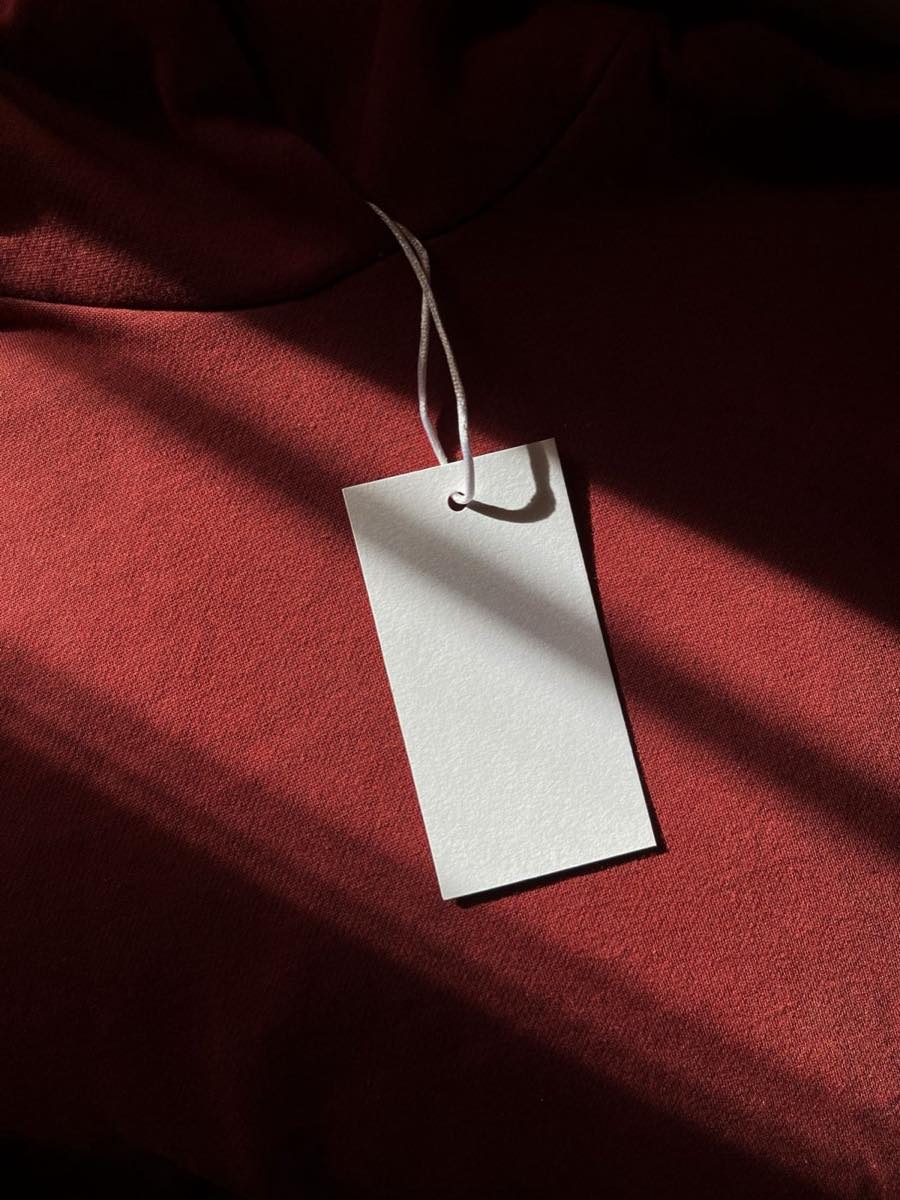
Every work carries a label.
In a gallery it reads artist, title, medium, year. Ours reads material, colour and code — on the finished piece, where the customer can find it. For the maker it is a standard; for the customer, a quiet signal of what the cloth is.
Bring us your masterpiece.
See it, feel it.
Order a swatch card of the Cotoni cotton and technical ranges, sent to your studio.
Work with
Cotoni.
For makers and specifiers ready to build with a named material.
License the standard. Order by the metre, or at production scale.
Whether you need Cotoni cotton in a specific shade, an Intelligence quality to a performance brief, or a full private material programme — start here, and we will take it from swatch to shipment.
hello@cotonifabrics.com
Contact — Mr. Bilal Kıramanlıoğlu · +90 532 337 65 20
Studio — Deliklikaya Mah. Altınşehir Yolu Cad. No:5-8/9, Kat 2-3, Arnavutköy, Istanbul, Türkiye
Production — Anatolia, Türkiye
Web — cotonifabrics.com